
Authors: Tony Ruggiero & Leah Piatt

The IDEA Part C Child Count and Settings submission to the Office of Special Education Programs (OSEP) via EDPass is due on July 29, 2026.
DaSy has developed the IDEA Part C Child Count and Settings Data Tool to support IDEA Part C Data Managers and other EDPass users. The tool helps to ensure accuracy of data prior to official submission and creates the EDPass file based on the file specifications.
Part C Data Managers take on many roles and responsibilities within their agencies and departments. Whether you are new to the data manager role or have been around for a long time, there must be a coordinated, organized, and documented effort to collect, manage, and report high-quality IDEA 618 data, such as Child Count and Settings. High-quality data is timely, complete, accurate, and reliable — and collecting it requires efficiency and intention at every stage.
The Child Count and Settings collection consists of two components:
- The Child Count data, which reflects the number of children receiving early intervention services
- The Settings data, which reports on the primary setting where children receive early intervention services (i.e., home, community, early childhood programs)
The Child Count and Settings data are submitted in four EDPass files:
- FS902: Infants and Toddlers with Disabilities on state’s child count date
- FS903: Children with Disabilities Continuing Early Intervention
- FS904: At Risk Infants and Toddlers with Disabilities
- FS905: Infants and Toddlers with Disabilities Cumulative Count
Don’t miss DaSy’s Part C Child Count and Settings Office Hours, Wednesdays from July 15 to July 29, 2026.
Check out DaSy’s updated tool: IDEA Part C Child Count and Settings Data Tool for EDPass Submission.
OSEP will review submitted data for timeliness, completeness, and accuracy, and expects that data submitted is of high quality and usable. Improving data quality should be treated as a continuous process, with intentional activities taking place before, during, and after the data collection period.
Professional development and technical assistance can give state and local staff the knowledge and skills needed to collect high-quality data — here are some tips to keep in mind:
Before data collection (prevent):
- Determine whether your data system’s entry screens include both in-field and across-field edits to catch errors at the point of entry.
- Establish a collaborative process and timelines — involving both state and local staff — for data cleaning and editing (e.g., the State Part C Data Manager sends a monthly list to local agencies to address missing, incorrect, or incomplete records).
During data collection (detect — data in system but not yet in use):
- Implement the collaborative cleaning and editing process established before data collection began and keep to the agreed-upon timelines.
After data collection (repair):
- Address quality issues as data move into active use. Errors may surface when data consumers begin working with the data — and may or may not be reported — so proactive review at this stage is essential.
Together, these three phases — prevent, detect, and repair — form a comprehensive approach to data quality that supports accurate, submission-ready data every year.
DaSy will host a series of Part C Child Count and Settings Technical Assistance and Office Hours to assist with data preparation and submission. As you prepare to submit your Child Count and Settings data by July 30, remember that DaSy is here to help!
The IDEA Part C Child Count and Settings Data Tool, developed by DaSy, is designed to support Part C Data Managers and other EDPass users in submitting the 2025 child count and settings data due July 29th. An updated version of the tool includes a new data submission checklist and offers a way to verify the accuracy of your data prior to official submission, as well as creating the EDPass file based on file specifications. Access the tool.
Intended Audience
Part C State Data Managers, staff, and coordinators, TA specialists and others
DaSy Center Resources for ongoing learning
- Part C Data Processes Toolkit
- Data Leadership Competencies
- DaSy Child Count and Settings Tool
- EDFacts Child Count and Settings File Specifications FS902, FS903, FS904, FS905 (EDFacts File Specifications SY 2025-26 | U.S. Department of Education)
- Contact your DaSy liaison for more information and to get connected.
About the Authors

Tony Ruggiero is an educational analyst at AEM Corporation. He has nearly 30 years of experience in the public, nonprofit, and private sectors in data management and collection, reporting, and analysis in early intervention, education, and health. Tony is a member of DaSy workgroups that focus on child and family outcomes, data standardization, data processes, and the data manager community.
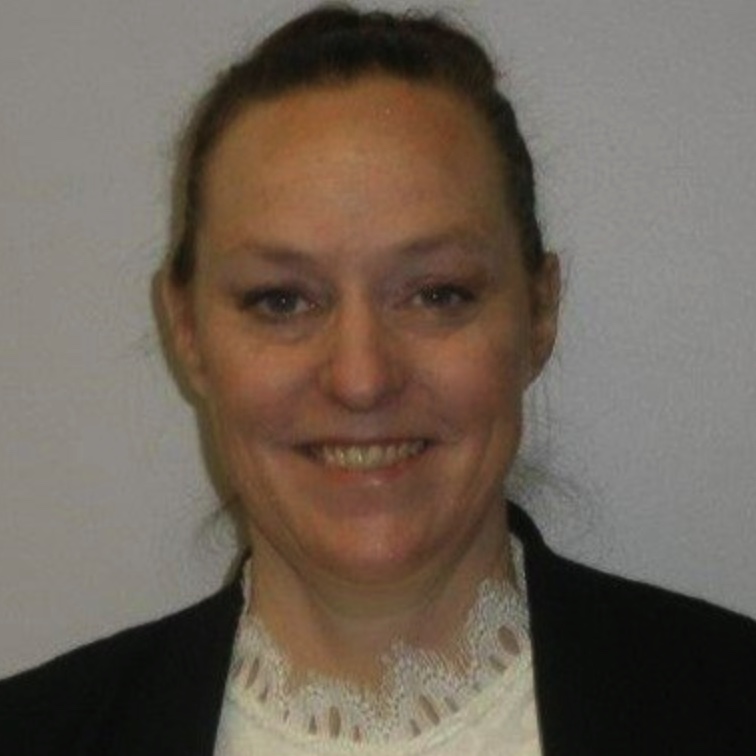
Leah Piatt is an experienced data systems leader with a wide background in education data. She has worked closely with cross-functional teams of state, federal, and contractual partners to produce data exchanges with data visualization layers, focusing on structure, integrity, and data governance policy. She specializes in developing business process improvements, implementing strategic plans and IT roadmaps, and creating process efficiencies within continuous improvement initiatives.
Footnote
1Redman, T. (2013, December). Getting in front of data quality [Webinar]. Harvard Business Review.
Updated July 2, 2026.