March 2023. Need practical strategies for evaluating how practitioners are doing with implementing evidence-based practices? Not sure what to do with all the data you’ve already collected? Not sure where to start?

For a Part C system, the fiscal data profile depicts demographic, service delivery, infrastructure, and administrative data in a variety of ways to make the fiscal data more comprehensible to users.
June 9 and 10, 2026. This two-day, in-person event offers hands-on support to collaboratively strengthen state and local data use.

Compute response rates for your state’s family survey data and determine if the surveys you received are representative of the target population.

Conference: DEC & ISEI Joint Conference 2022 Date: September 28, 2022 Presenter: Patricia Blasco, Evelyn Shaw, and Kathryn Morrison This presentation described background information on children born at low birth weight and/or prematurely, state eligibility policies around low birth weight and prematurity, and the DEC position statement on these conditions. Attendees worked in small groups […]
A simple process for state and local program leaders to use data to make organizational and program decisions.
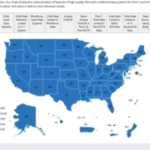
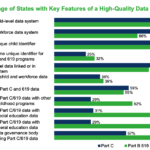
Conference: NCES STATS-DC Date: August 2022 Presenter: Nancy Perez, Mary Anketell, Emily Hackleman, Kathy Hebbeler This poster reports responses for 50 states, DC, and Puerto Rico on a survey of Part C/619 data systems in 2021. We reported on the national status, by program, on 11 key indicators of a high-quality, IDEA state data system. […]
Conference: OSEP Leadership Conference Date: July 2022 Presenter: Nancy Perez, Betsy Mercier, and Kathy Hebbeler This poster reports responses for 50 states, DC, and Puerto Rico on changes in Part C/619 data systems from 2013 to 2021, and changes in data systems in response to COVID-19. Most states added at least 1 indicator of a […]

Each Part C Lead Agency is responsible for the general administration and supervision of its early intervention system.

What questions should data users, such as program directors, advocates, and policymakers, be asking?