Tag Archives: Data Use Framework

Linking EHDI and Part C Data Webinar

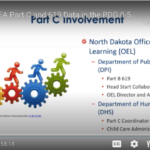
August 28, 2019 This interactive webinar highlights stories from Part C Coordinators who have or are developing collaborative data sharing agreements that allow them to share Part C data with their Early Hearing Detection and Intervention Program (EHDI). This webinar also allows participants to express their challenges and/or issues and as a group and brainstorm […]

Collecting, Analyzing, and Sharing Qualitative Data Encore Webinar

Qualitative Data

This webinar includes best practices in collecting, analyzing and sharing qualitative data with an example from Louisiana’s SSIP work. This webinar also shares resources to support qualitative methods and an activity for participants to practice analyzing qualitative data. Presented by Megan Cox, Kerry Friedman, Brenda Sharp and Debbie Shaver in January 2019 Webinar Recording Webinar […]

National Child Outcomes Results

Logos: ECTA and DaSy

October 9, 2018 In this webinar, ECTA and DaSy staff discussed results from the latest national child outcomes analysis. They reviewed national estimates, state variations in performance, and provided a quick refresher on how to interpret the state data quality reports. New TA resources related to child outcomes data collection, reporting, and use were also […]

Building a Culture of Data Use

Icon: Data Culture Resources

This webinar explored DaSy’s new Data Culture Toolkit, following the five key steps to building a culture of data use in a state or local program: Formalize your data team and its vision/purpose; assess your data use culture; prioritize your data team’s critical questions; assess and improve your data quality; and explore and use data. […]

Supporting Improvement of Local Child Outcomes Measurement Systems

This webinar introduces a new resource, the Local Child Outcomes Measurement System (L-COMS). The L-COMS can support local programs, such as Early Intervention programs or school districts, in examining and improving their systems for collecting, analyzing and using child outcomes data. This self-assessment numerically rates the current status of the local system and allows for […]