
Converting COS Data to OSEP Progress Categories/Summary Statements includes an engaging, easy-to-understand video that explains how individual Child Outcomes Summary (COS) data are converted to the national data reported by the U.S. Department of Education’s Office of Special Education Programs (OSEP). It also includes a set of calculators to help users explore how the data […]
Author Archives: Elaine Mulligan
Updated Data Governance Toolkit!
The Toolkit now offers assistance in addressing Data Quality, Data Security & Access, Data System Changes, and Public Reporting. Each includes an Overview, Considerations, and a downloadable Word Template for creating policies and procedures. Visit the Data Governance and Management Toolkit to check them out.
Converting COS Data to OSEP Progress Categories/Summary Statements

This online interactive resource includes an engaging, easy-to-understand video that explains how individual Child Outcomes Summary (COS) data are converted to the national data reported by the U.S. Department of Education’s Office of Special Education Programs (OSEP). It also includes a set of calculators to help users explore how the data are converted, as well as […]
Introduction to Self-Assessment Comparison Tool
This 2018 video is designed to help you get starting with using the Excel-based Self-Assessment Comparison Tool to examine changes over time in the implementation of the ECTA and DaSy System Frameworks. This 5 minute video offers instructions and demonstrations of the tool. More detailed instructions are available in the Guidance for Using the Self-Assessment […]
Pay for Success webinar recording available
In case you missed our September 20 webinar, you can access the recording, presentation, and links to tparticipate in a learning community, participate in an interest group to help you decide if and how you might apply PFS in your state, or receive periodic informational updates about new developments in PFS. Visit Pay for Success […]
Knowing your why: A DaSy perspective on An Unofficial Guide to the Why and How of State Early Childhood Data Systems
We know that you are being asked to join your state’s Early Childhood Integrated Data Systems (ECIDS) conversations or you are trying to work to get to the table for these conversations. That is why DaSy wants to provide resources to help you prepare for these statewide initiatives. In August 2017, the Ounce of Prevention […]
Video: Improving Family Outcomes
This DaSy-ECTA video describes the importance of supporting families, collecting data on family outcomes, and using the data to improve the program. Using the family data collected by the U.S. Department of Education’s Office of Special Education’s Part C/Early Intervention Program as an example, Supporting Children by Improving Family Outcomes highlights how three families who […]
Supporting Children By Improving Family Outcomes

All programs that serve young children and their families can improve outcomes for children by making a difference for their families. This video describes the importance of supporting families, collecting data on family outcomes, and using the data to improve the program. Using the family data collected by the U.S. Department of Education’s Office of […]
IDEA Data Center Part B Data System Framework
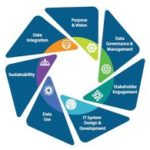
The IDEA Data Center Part B Data System Framework is an overarching structure designed to support SEA staff responsible for working with and responding to IDEA Part B requirements related to the collection, analysis, use, and reporting of high-quality special education data. The framework contains broad concepts and principles that states can tailor to reflect […]
Recording available for Local Child Outcomes Measurements Systems webinar
This August 16, 2017 webinar introduced a new resource, the Local Child Outcomes Measurement System (L-COMS). The L-COMS can support local programs, such as Early Intervention programs or school districts, in examining and improving their systems for collecting, analyzing and using child outcomes data. This self-assessment numerically rates the current status of the local system […]