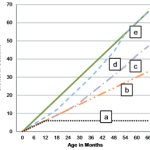
This joint ECTA Center/DaSy Center webinar offered an overview of final results from the ENHANCE project. Four studies conducted in eight states provided information about the implementation and validity of COS information for accountability and program improvement. Results were drawn from a provider survey, coding of videos of the COS process, a study examining relationships […]
Category Archives: ECTA Center
State Systemic Improvement Plans: Why State Agencies Need the EI Research Community and Vice Versa
Conference: Conference on Research Innovations in Early Intervention (CRIEI) Date: February 2016 Presenters: Kathleen Hebbeler, Donna Spiker, Christina Kasprzak, & Cornelia Taylor This poster provides a brief overview of the SSIP phases and requirements and presents the results of the SSIP analysis, including what states selected as their SIMRs and what states are doing to […]
An Examination of the Quality of State Data on Part C and Part B Preschool Child Outcomes
Conference: Conference on Research Innovations in Early Intervention (CRIEI) Date: February 2016 Presenters: Christina Kasprzak, Lauren Barton, Cornelia Taylor, & Katrina Martin This poster presents the three approaches that ECTA and DaSy used to compute the national estimates on child outcomes for Part B and Part C, in order to give viewers the opportunity to […]
National Evaluation Webinar Series
A joint collaboration of NCSI, ECTA, IDC, DaSy, and OSEP, webinars on January 14th and 21st, 2016 addressed evaluation planning in the context of the Phase II of the SSIP. The webinars included clarification of OSEP Phase II requirements, development of a quality evaluation plan, and the process of moving from a theory of action […]
SSIP Phase II Process Guide
This 2015 guide (updated in March of 2016) describes the steps needed to accomplish the work of the three components of Phase II. The SSIP Phase II Process Guide is organized according to the following sequential phases of work to be done: Kicking off Phase II, Developing the improvement plan, Developing the evaluation plan, and […]
State of the States on Systemic Improvement Planning: A National Overview of Phase I SSIPs
This 2015 collaborative ECTA/DaSy webinar provided a national overview of the results of states’ Phase I data and infrastructure analyses e.g. type of data analyzed, infrastructure strengths and challenges, state SIMRs, types of improvement strategies, and information on states’ theory of action) and how stakeholders were involved. A number of resources were shared that summarized […]
Sample SSIP Action Plan Template
This 2015 sample action plan template provides states with a suggested, but not required, format and examples of potential content to assist them in completing their Phase II SSIP improvement plan and evaluation plan. Published by: ECTA Center, DaSy Center, IDEA Data Center, and National Center for Systemic Improvement Sample SSIP Action Plan Template
Using Fiscal Data to Inform a State’s Part C Allocation Methodology
This 2015 collaborative webinar with ECTA Center is the second of two sessions on fiscal data. The first, Use of Fiscal Data for Budget Development and Management, addresses the importance of accurate/verified finance data and provides tools for budget development and management that support tracking fiscal obligations, revenues, and expenditures. This second session offers an […]
State of the States Related to Systemic Improvement
Conference: Division for Early Childhood Date: October 2015 Presenters: Kristin Reedy, Christina Kasprzak, & Cornelia Taylor This presentation provides a national snapshot of state SSIPs and discusses what needs to happen to improve outcomes for young children with disabilities. One of it’s objectives is to provide an opportunity to inform and encourage the broader involvement […]
Using Surveys to Understand How the COS Process is Being Implemented in Local Programs
This 2015 collaborative ECTA/DaSy webinar addresses the use of surveys to learn how local programs are implementing the Child Outcomes Summary (COS) process. Information from surveys can be useful for understanding data quality issues and planning improvement strategies. A representative from Idaho Part C describes the state’s experience with surveys and lessons learned. Several examples […]