Tag Archives: Purpose and Vision Framework

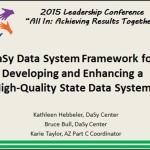
DaSy Data System Framework for Developing and Enhancing a High-Quality State Data System

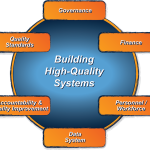
Conference: OSEP Leadership Date: July 2015 Presenters: Kathleen Hebbeler (DaSy), Bruce Bull (DaSy), & Karie Taylor (AZ Part C Coordinator) This presentation demonstrates the DaSy Data System Framework and Self-Assessment, resources created to assist Part C and Section 619 state staff in developing and enhancing high-quality state data systems and in improving the quality of […]

Developing Vision and Mission Statements

This tool provides a general description of what a vision statement is, it’s importance, and recommendations for how to create a vision statement. Additionally, the tool provides a checklist for creating a vision statement, example statements, and a powerpoint summarizing the main points of the tool. Published by: Community Toolbox Developing Vision and Mission Statements […]

DaSy Data System Framework: A Tool for Building High-Quality State Part C and Section 619 Data Systems

This 2015 webinar introduces the key components of the DaSy Data System Framework. DaSy staff and state representatives share the potential uses of the framework for improving Part C and/or 619 data systems and improving the quality and use of IDEA data. The associated self-assessment tool and resource collection are also discussed. Presented by Kellen […]

Answering Key Questions with an Early Childhood Data System

Logo: SLDS

This 2013 publication outlines the process for developing key policy questions to guide the development and use of an early childhood data system and it offers examples from states that have generated their own key questions. Published by: State Longitudinal Data Systems (SLDS) State Support Team (SST) Answering Key Questions with an Early Childhood Data […]

Identifying SLDS Users and Uses

Logo: SLDS

This 2011 brief provides guidance on the identification of end users and those users’ information needs. The document guides state staff to reflect on the purpose and intended outcomes of a data system, identify and prioritize the users it can and should serve, and then assess the system’s capacity to support the identified uses. Published […]